

Smart Home Devices
In an era characterized by swift technological advancements, our homes have become more advanced. The solution? Smart home devices. A notable technological advancement revolutionizing human existence is the extensive integration of smart home devices.
Convenience, Energy Efficiency, and Security
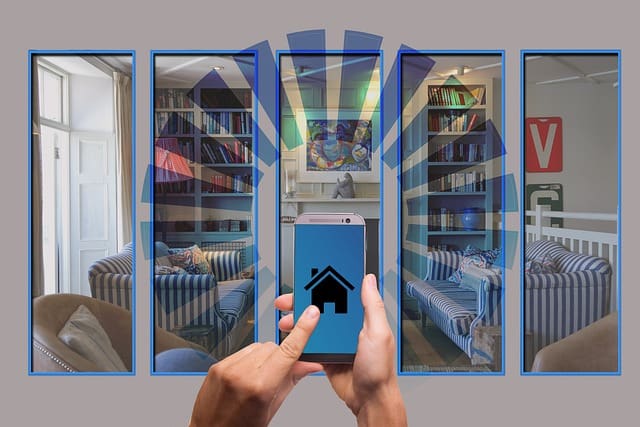
The modern home experience has three key attributes: convenience, energy efficiency, and security. These elements are at the core of shaping contemporary living spaces. Convenience allows for easy control and management of home functions. Energy efficiency promotes sustainability by reducing wasteful energy consumption. Security ensures the safety of residents and their property, providing peace of mind in today’s fast-paced world.
Together, these features enhance the quality of life in modern homes.
Voice-Controlled Virtual Assistants
Imagine controlling your lights, thermostat, and coffee-maker with a simple voice command. Smart home devices have made this a reality, thanks to voice-controlled virtual assistants like Amazon Alexa and Google Assistant.
- Amazon Alexa: Amazon Alexa is designed to make your life easier. You can ask it questions, play your favorite music, set timers, and even control your smart home devices. It can dim the lights, adjust the room temperature, or lock your intelligent door lock, all with just your voice.
- Google Assistant: Google Assistant is your reliable companion for managing smart home devices. You can ask it about the weather, create shopping lists, and even control your compatible smart devices. Google Assistant also excels in answering your questions and providing valuable information.
Integration and Interoperability
Now, you may wonder, “What’s the use of having multiple smart devices if they can’t work together seamlessly?” The answer lies in integration and interoperability.
- Harmony in Connectivity: Integration ensures that your devices, from smart bulbs to security cameras, can “talk” to one another. For example, when you command your voice-controlled assistant to “secure the house,” it should modify the thermostat for energy efficiency, lock the doors, and activate the security system.
- Interoperability for Convenience: Interoperability ensures that your smart devices can work together, regardless of the brand or manufacturer. It provides that your smart TV can sync with your sound system, your thermostat can work with your smart shades, and your doorbell camera can alert your phone.
In smart home technology, compatibility between devices and platforms is crucial for a seamless and hassle-free experience. With the right choices, you’ll transform your living space into a modern sanctuary where you are in control.